Singapore Idol contestant
Daphne Khoo reveals how she pulled through a series of health scares,
including a rare form of ovarian cancer last year.
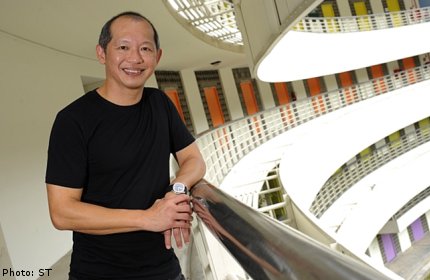
SINGAPORE - It is harder to recognise former Singapore Idol contestant Daphne Khoo, 26, these days with her chic pixie cut.
The
third runner-up in the first season of singing contest Singapore Idol
in 2004 and former lead singer of indie band West Grand Boulevard had
long locks that the audience came to know her by.
She snipped them off
in June last year in preparation for chemotherapy.
That was also the year she had a most stressful experience battling wave after wave of debilitating illnesses.
The 26-year-old was diagnosed with a form of ovarian cancer so rare that it affects perhaps one Singaporean a year.
Yet,
she does not pity herself, telling Mind Your Body: "I see the illnesses
as part and parcel of life. When life knocks you down, you just roll
with the punches."
The petite music student takes a light-hearted
approach to her hiatus from school, joking that the cancer was a welcome
break after four rigorous semesters at the Berklee College of Music in
Boston in the United States.
But while she looks on the bright
side, she will not easily forget how she discovered her cancer. After a
morning gym session in March last year, she had an outbreak of hives
from her neck to her ankles.
Her eyes swelled up "like golf
balls", so her Korean roommate whisked her off to the emergency
department at Brigham and Women's Hospital nearby, where she was given
antihistamines intravenously for close to eight hours.
Though her symptoms were alleviated, Miss Khoo decided to consult an allergist.
When
skin prick tests yielded no conclusive results, she underwent a
full-body check-up, which included a Pap smear of her cervix.
10cm growth in left ovary
It was during this
physical examination that a nurse raised the alarm about Miss Khoo's
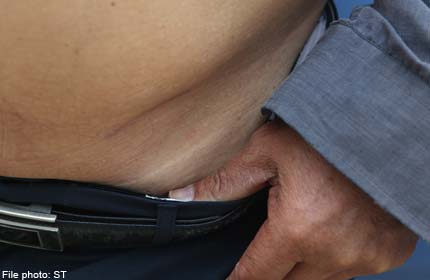
bloated abdomen, which Miss Khoo said she had had since she was 18.
Back then, she had asked her mother to feel her abdomen, but there did not seem to be an abnormal mass.
Unknown to them then, it was abnormal for a woman to have swelling of the abdomen without weight gain in other places.
Miss Khoo said: "We just never thought it could be cancer as I felt no pain there."
After a pelvic ultrasound scan, she was told there was a 10cm growth in her left ovary which had to be surgically removed.
She
still held up well when told by a nurse over the phone that it might be
cancerous, but broke down when she was asked if any of her family
members were with her.
She had lived alone in the US for the last
two years for her studies, and the bad news could not have come at a
worse time. Her parents, both 60 years old, and 30-year-old elder sister
were then on vacation.
Miss Khoo first called her younger sister, a 25-year-old marketing executive, and then called her parents.
Her
retiree father cut short his golf vacation in Atlanta and was by her
side three days later. Her mother, a treasury manager in her own firm,
steeled herself on her flight back to Singapore from Japan.
Mrs Denise Khoo said: "I had no mood to enjoy being in business class. I just kept praying for Daphne."
Mrs
Khoo had herself been diagnosed with early stage breast cancer at the
age of 49 and had had surgery, chemotherapy and radiation therapy.
So it pained her to know that her daughter was faced with a similar ordeal.
Rare form of ovarian cancer
Miss Khoo had
surgery on May 17 last year at Brigham and Women's Hospital while her
parents and then-boyfriend waited anxiously outside the operating
theatre during the four-hour procedure.
The surgeon told them he
removed her left ovary and left fallopian tube, together with the tumour
which was, in fact, 13cm in diameter.
A few days later, they learnt, to their relief, her cancer had not spread to other areas of the pelvis.
However, it had spread to the tissue lining her peritoneal cavity or abdomen.
Miss
Khoo had a rare type of germ cell cancer, known as dysgerminoma. The
Singapore Cancer Registry noted that there were nine such cases in a
decade, from 1998 to 2007.
A spokesman from the Ministry of Health
said there was just one case between 2008 and 2010. Of every 100 cases
of ovarian cancer, only about five are cases of germ cell cancer, said
Dr Tay Eng Hseon, medical director of the Thomson Women Cancer Centre.
Germ
cells are cells in the ovaries or testes that go on to form eggs or
sperms. Most germ cell tumours are not cancerous, though the testicular
cancer suffered by disgraced cyclist Lance Armstrong was a form of germ
cell cancer.
The other, more common, types of ovarian tumours are
those of the epithelium (tissue covering the ovaries) and sex cords
(structures that develop into ovarian follicles where immature eggs
grow).
Dr Tay said dysgerminoma can grow rapidly, from being impalpable to a large tumour in the span of a few months.
The
typical symptom, therefore, is a fast-enlarging abdominal mass
associated with pain. The cancer tends to strike women between 15 and 25
years old.
Dr Tay said this cancer was highly fatal until the late 1970s, when the platinum group of chemotherapy drugs was introduced.
The
disease is highly sensitive to this class of drugs, to the point that
almost no one will die from it now. The exception is a small group of
patients with an even rarer and highly aggressive form of germ cell
cancer which is still difficult to treat, Dr Tay said.
Obstructed bowels
A few days after her
surgery, Miss Khoo was racked with such pain she could hardly lay still.
She was constipated and vomiting bile.
She had fallen prey to an
uncommon complication of abdominal surgery. Adhesions, or internal scar
tissue, forming as part of the healing process, were creating blocks in
her bowels.
The obstruction prevented her intestines from functioning properly.
Back
at the hospital, Miss Khoo had a tube passed through her nose, down the
oesophagus, and into the stomach to remove the contents that had
accumulated since the bowel obstruction.
She said: "It felt like someone was stabbing me in the throat. It took everything in me to stay calm during the insertion."
Five
days later on her mother's birthday on May 29, Miss Khoo finally had
the tube removed. By that time, her intestinal obstruction had somehow
resolved on its own. She was able to move her bowels.
The problem
recurred a week later but, fortunately, the obstruction cleared on its
own. Then there was also the trauma of losing her hair, for which Miss
Khoo had been mentally prepared by her mother.
Two weeks before
she began chemotherapy at the Memorial Sloan-Kettering Cancer Centre in
New York, she had her chest-length hair cut in an avant-garde style with
a bob on one side and the other shaved bald.
She said with a grin: "I felt it was a fun way of preparing myself for hair loss. I wanted to do it in style."
She also had her eggs retrieved and frozen to preserve fertility.
Don't brush off complaints
That was the
positive part. After three cycles of chemotherapy that lasted nine
weeks, Miss Khoo lost 7kg to weigh 45kg, though her body mass index (a
measure of body fat based on weight and height) showed that this was
still normal for her 1.52m frame.
The food lover tried to stimulate her appetite by viewing pictures of
food, and tried to swallow the soup her mother cooked lovingly for her
but nothing helped.
She joked that the upside to chemotherapy drugs was that they helped to clear her eczema and gave her baby-smooth skin.
She
has since gone back to college, where she is completing her final
semester to graduate in May. She has also switched her major from
songwriting to professional music.
The past year has been hard for her as she loathes being dependent on others for her needs and kept indoors mostly.
When
asked what she missed most during her illness, she said it was her
hearty appetite, before adding softly: "I also appreciated my mum more."
Mrs Khoo said parents should take note.
"When
young girls say they feel bloated, don't brush it off as nothing. Bring
them for ultrasound scans because this could save lives."
Click here to find out more on health insurance plans
Showing posts with label cancer. Show all posts
Thursday, February 7, 2013
Can Sabah Snake Grass cure cancer?
SINGAPORE - Its leaves look like shoots of wild grass and its stem appears plastic-like.
Nothing about this fruitless plant stands out. And it's not surprising if most people mistake it for something worthless.
Yet this unassuming plant - called the Sabah Snake Grass, or Clinacanthus nutans - is highly prized in Singapore.
Sabah Snake Grass - named for its initial use in treating snake bites - is worth its weight in gold because its claim to be a cure for cancer.
Despite these claims, which come amid anecdotes of its curative properties, there has not been any scientific proof that the herb has any actual effect on cancer.
One nursery owner in Pasir Ris in particular has watched with amazement as demand for the plant has slithered upwards in just four years.
Mr Alan Loh, 67, tells The New Paper on Sunday: "More than five years ago, nobody asked for it."
Only a small group of people with kidney problems bought the Sabah Snake Grass initially from Mr Loh.
He says: "At its peak two years ago, the demand grew from almost zero to about 10 customers each day asking or wanting to buy the plant from me. I often ran out of stock."
Mr Loh said the popularity of the herb can be traced back to the story of a Malaysian's miraculous recovery from Stage 4 thyroid cancer.
The man, Mr Liu Hui Lian from Perak, was told by doctors in 2008 that he had only three months to live.
Every medical treatment he tried proved futile until he found out about Sabah Snake Grass. After five months of consuming the leaves, he claims that his cancer had disappeared, he tells TNPS in a telephone interview this week.
Mr Liu, 58, says in Malay: "This March will be the fifth year that my cancer has not returned. It's a bonus for me and there's a good chance I'm totally cured."
After Mr Liu's story was covered by several Chinese newspapers and a TV station in Malaysia, the plant's popularity soared.
A website - www.sabahsnakegrassfarm.com - by another farm owner in Seremban, Malaysia, documents Mr Liu's medical history from diagnosis to an apparent improvement shown in a medical examination taken in 2009.
To date, that site has garnered 97,000 views from 90 countries.
Malaysians make up 56 per cent of those who had visited the site while Singaporeans, the second largest group, make up 18 per cent.
Now, Mr Liu runs an eight-acre farm - about the size of eight football fields - that grows the herb. He usually gives away small samples to cancer sufferers.
He also teaches them how to replant the herb in their gardens.
Mr Liu says: "If you believe (that you can be cured after consuming the herb), half the battle is won. You're on the way to being cured like me."
Yet, some medical professionals here remain unconvinced. Medically, there's no "magic bullet" for cancer, they say.
Still, Mr Liu's story has led to a healthy demand here as well, said the general manager of Hua Hng Trading, a plant and tree wholesale centre off Sembawang Road, who gave her name as Madam Ang.
The woman, in her 50s, says: "Five years ago, I stocked 50 small pots of Sabah Snake Grass at any one time.
"Today, I stock close to 1,000 pots."
Smaller nurseries, like Mr Loh's outfit in Jalan Loyang Besar, have also hopped on the bandwagon.
At his nursery, roughly the size of two basketball courts, seven small plots are devoted to Sabah Snake Grass harvesting.
He sells three pots for $10 while its leaves can be bought for $30 per kg.
Mr Loh isn't the only one peddling the plant.
There are other herb farms and several online "agents" here selling the Sabah Snake Grass. About four other nurseries here supply the plant at wholesale quantities, says Mr Loh.
Those who consume the Sabah Snake Grass usually blend the leaves with green apple juice.
"You could also eat it raw," says Mr Loh, handing this reporter a leaf he had plucked from a potted plant.
There wasn't any nasty aftertaste.
How much to consume depends on which stage of cancer the sufferer is in, says Mr Loh.
"European tourists have visited me asking how to grow the plant in their gardens."
He claims: "One old man, a cancer sufferer, came in a wheelchair but three weeks later, after consuming the Sabah Snake Grass, he walks into my garden without any help.
"I'm not a doctor but I see that they've regained their strength and appear more comfortable."
Snake grass may bring false hope to cancer patients
What do you tell a child when her life may be cut short?
That's the question plaguing a mother whose daughter suffers from stomach cancer.
To Niki Ng, seven, and her mother, Mrs Ng from Taiping, Perak, the Sabah Snake Grass is a godsend.
Speaking to The New Paper on Sunday over the phone from Mr Liu Hui Lian's farm, Mrs Ng, 38, says in Malay: "I just want her to lead a normal life like other children. The herb represents hope for us."
Niki was diagnosed with the gastric carcinoma in September last year, and had undergone chemotherapy without success.
After consuming Sabah Snake Grass in November, Niki's 5cm polyp began to shrink, claims Mrs Ng.
Yet, such herbal treatments aren't all proven remedies, say medical professionals here.
Says Ms Joanna Liew, 28, a registered physician at Bao Zhong Tang TCM Centre: "The danger here is that what works for one person, may not work for another.
"There is also no 'magic bullet' in the treatment of cancer."
Dr Wong Seng Weng, Medical Director & Consultant Medical Oncologist at The Cancer Centre says that the US Food and Drug Administration (FDA) had previously approved a herbal treatment for advanced prostate cancer.
Unfortunately the approval was withdrawn.
This was due to serious problems with the quality control in the production of the herbal preparation including contamination with arsenic, says Dr Wong.
He adds: "No alternative therapies for cancer has been approved by FDA since."
Some of Dr Wong's patients have tried the Sabah Snake Grass. However, his findings may be hard to swallow.
He says: "All (his patients who consumed the Sabah Snake Grass) experienced worsening of their cancers. Hence my personal observation of the effects of Sabah Snake Grass has been very negative."
Similarly, the Health Sciences Authority (HSA) says that it is "not aware of any scientific evidence that substantiates the medical use of Sabah Snake Grass in the treatment of cancer."
Like Dr Wong, HSA reminds cancer patients to exercise caution.
Says Dr Wong: "Patients with an incurable disease may be in a state of emotional desperation and can be very vulnerable to people peddling false hope."
What's important in the treatment of cancers is its early detection, says Ms Liew, 28.
"I have heard of many horror stories of people delaying cancer treatment," she says.
She adds that the longer the patient waits in making a treatment decision, the lower the chances of success.
Snake gall bladder
The
gall bladder of a snake, believed to help cleanse blood and detoxify
the body, can be found in traditional Chinese medical halls here.
"It is not popular with locals, but mainland Chinese, especially those from Fujian and Xiamen, seem to like it," says a Thye Shan Medical Hall spokesman.
It is also known to alleviate rheumatism, she adds.
Snake gall bladder is mostly imported from countries such as Indonesia, Thailand, and India, and is typically consumed after soaked in wine.
The teardrop-shaped ingredient, which is sold in a dried form at medical halls, can also be sliced and cooked before being eaten.
It costs a hefty $200 to $400 per 100g, depending on the grade, says the spokesman.
Snake fruit
Also known as salak, this fruit has reddish-brown, prickly skin that resembles that of a snake.
The skin breaks away to reveal lobes of white, juicy flesh, which tastes like a combination of honey and pineapple.
The fruit grows in Indonesia, Brunei, and Malaysia. Finely sliced, it makes a great ingredient in salads, and packs a big dose of vitamin C.
Nothing about this fruitless plant stands out. And it's not surprising if most people mistake it for something worthless.
Yet this unassuming plant - called the Sabah Snake Grass, or Clinacanthus nutans - is highly prized in Singapore.
Sabah Snake Grass - named for its initial use in treating snake bites - is worth its weight in gold because its claim to be a cure for cancer.
Despite these claims, which come amid anecdotes of its curative properties, there has not been any scientific proof that the herb has any actual effect on cancer.
One nursery owner in Pasir Ris in particular has watched with amazement as demand for the plant has slithered upwards in just four years.
Mr Alan Loh, 67, tells The New Paper on Sunday: "More than five years ago, nobody asked for it."
Only a small group of people with kidney problems bought the Sabah Snake Grass initially from Mr Loh.
He says: "At its peak two years ago, the demand grew from almost zero to about 10 customers each day asking or wanting to buy the plant from me. I often ran out of stock."
Mr Loh said the popularity of the herb can be traced back to the story of a Malaysian's miraculous recovery from Stage 4 thyroid cancer.
The man, Mr Liu Hui Lian from Perak, was told by doctors in 2008 that he had only three months to live.
Every medical treatment he tried proved futile until he found out about Sabah Snake Grass. After five months of consuming the leaves, he claims that his cancer had disappeared, he tells TNPS in a telephone interview this week.
Mr Liu, 58, says in Malay: "This March will be the fifth year that my cancer has not returned. It's a bonus for me and there's a good chance I'm totally cured."
After Mr Liu's story was covered by several Chinese newspapers and a TV station in Malaysia, the plant's popularity soared.
A website - www.sabahsnakegrassfarm.com - by another farm owner in Seremban, Malaysia, documents Mr Liu's medical history from diagnosis to an apparent improvement shown in a medical examination taken in 2009.
To date, that site has garnered 97,000 views from 90 countries.
Malaysians make up 56 per cent of those who had visited the site while Singaporeans, the second largest group, make up 18 per cent.
Now, Mr Liu runs an eight-acre farm - about the size of eight football fields - that grows the herb. He usually gives away small samples to cancer sufferers.
He also teaches them how to replant the herb in their gardens.
Mr Liu says: "If you believe (that you can be cured after consuming the herb), half the battle is won. You're on the way to being cured like me."
Yet, some medical professionals here remain unconvinced. Medically, there's no "magic bullet" for cancer, they say.
Still, Mr Liu's story has led to a healthy demand here as well, said the general manager of Hua Hng Trading, a plant and tree wholesale centre off Sembawang Road, who gave her name as Madam Ang.
The woman, in her 50s, says: "Five years ago, I stocked 50 small pots of Sabah Snake Grass at any one time.
"Today, I stock close to 1,000 pots."
Smaller nurseries, like Mr Loh's outfit in Jalan Loyang Besar, have also hopped on the bandwagon.
At his nursery, roughly the size of two basketball courts, seven small plots are devoted to Sabah Snake Grass harvesting.
He sells three pots for $10 while its leaves can be bought for $30 per kg.
Mr Loh isn't the only one peddling the plant.
There are other herb farms and several online "agents" here selling the Sabah Snake Grass. About four other nurseries here supply the plant at wholesale quantities, says Mr Loh.
Those who consume the Sabah Snake Grass usually blend the leaves with green apple juice.
"You could also eat it raw," says Mr Loh, handing this reporter a leaf he had plucked from a potted plant.
There wasn't any nasty aftertaste.
How much to consume depends on which stage of cancer the sufferer is in, says Mr Loh.
"European tourists have visited me asking how to grow the plant in their gardens."
He claims: "One old man, a cancer sufferer, came in a wheelchair but three weeks later, after consuming the Sabah Snake Grass, he walks into my garden without any help.
"I'm not a doctor but I see that they've regained their strength and appear more comfortable."
Snake grass may bring false hope to cancer patients
What do you tell a child when her life may be cut short?
That's the question plaguing a mother whose daughter suffers from stomach cancer.
To Niki Ng, seven, and her mother, Mrs Ng from Taiping, Perak, the Sabah Snake Grass is a godsend.
Speaking to The New Paper on Sunday over the phone from Mr Liu Hui Lian's farm, Mrs Ng, 38, says in Malay: "I just want her to lead a normal life like other children. The herb represents hope for us."
Niki was diagnosed with the gastric carcinoma in September last year, and had undergone chemotherapy without success.
After consuming Sabah Snake Grass in November, Niki's 5cm polyp began to shrink, claims Mrs Ng.
Yet, such herbal treatments aren't all proven remedies, say medical professionals here.
Says Ms Joanna Liew, 28, a registered physician at Bao Zhong Tang TCM Centre: "The danger here is that what works for one person, may not work for another.
"There is also no 'magic bullet' in the treatment of cancer."
Dr Wong Seng Weng, Medical Director & Consultant Medical Oncologist at The Cancer Centre says that the US Food and Drug Administration (FDA) had previously approved a herbal treatment for advanced prostate cancer.
Unfortunately the approval was withdrawn.
This was due to serious problems with the quality control in the production of the herbal preparation including contamination with arsenic, says Dr Wong.
He adds: "No alternative therapies for cancer has been approved by FDA since."
Some of Dr Wong's patients have tried the Sabah Snake Grass. However, his findings may be hard to swallow.
He says: "All (his patients who consumed the Sabah Snake Grass) experienced worsening of their cancers. Hence my personal observation of the effects of Sabah Snake Grass has been very negative."
Similarly, the Health Sciences Authority (HSA) says that it is "not aware of any scientific evidence that substantiates the medical use of Sabah Snake Grass in the treatment of cancer."
Like Dr Wong, HSA reminds cancer patients to exercise caution.
Says Dr Wong: "Patients with an incurable disease may be in a state of emotional desperation and can be very vulnerable to people peddling false hope."
What's important in the treatment of cancers is its early detection, says Ms Liew, 28.
"I have heard of many horror stories of people delaying cancer treatment," she says.
She adds that the longer the patient waits in making a treatment decision, the lower the chances of success.
Snake gall bladder
"It is not popular with locals, but mainland Chinese, especially those from Fujian and Xiamen, seem to like it," says a Thye Shan Medical Hall spokesman.
It is also known to alleviate rheumatism, she adds.
Snake gall bladder is mostly imported from countries such as Indonesia, Thailand, and India, and is typically consumed after soaked in wine.
The teardrop-shaped ingredient, which is sold in a dried form at medical halls, can also be sliced and cooked before being eaten.
It costs a hefty $200 to $400 per 100g, depending on the grade, says the spokesman.
Snake fruit
Also known as salak, this fruit has reddish-brown, prickly skin that resembles that of a snake.
The skin breaks away to reveal lobes of white, juicy flesh, which tastes like a combination of honey and pineapple.
The fruit grows in Indonesia, Brunei, and Malaysia. Finely sliced, it makes a great ingredient in salads, and packs a big dose of vitamin C.
Monday, May 28, 2012
National Arts Council CEO Benson Puah diagnosed with cancer
SINGAPORE - The Chief Executive Officer for the National Arts Council and the Esplanade has been diagnosed with lymphoma.
The illness is a type of cancer that begins in the immune system cells.
The 54-year-old, dubbed as the most powerful man in the Singapore art scene, was diagnosed with the condition last Thursday.
A joint statement released by both organisations on Monday said that Mr Puah begins a 16-week-long treatment today.
He will continue with his duties at the Esplanade and NAC as normally as his condition will allow him to and operations at both organisation will function as usual.
What causes lymphoma?
Non-Hodgkin's lymphoma (also called NHL) is cancer that begins in the lymphatic system. The lymphatic system is part of the body's immune system. The immune system fights infection and other diseases.
A person with certain risk factors may be more likely than others to develop lymphoma. Studies reveal that individuals who have a weak immune system (such as autoimmune disorder), or suffering from certain types of infections (such as Human immunodeficiency virus, HIV) are at higher risk of developing non-Hodgkin's lymphoma.
Although non-Hodgkin's lymphoma can occur in young people, the chances of developing this disease go up with age. Most people with non-Hodgkin's lymphoma are older than 60 years of age.
Symptoms
- Swollen, painless lymph nodes in the neck, armpits, or groin
- Unexplained weight loss
- Fever
- Soaking night sweats
- Coughing, trouble breathing, or chest pain
- Weakness and tiredness that don’t go away
- Pain, swelling, or a feeling of fullness in the abdomen
Types of treatment available
Chemotherapy, Biological Therapy, Radiation Therapy and Stem Cell Transplantation.
Information provided by Parkway Cancer Centre. To find out more, click here
Monday, April 9, 2012
Top 10 natural cancer killers
A recent study found that the adoption of only one of five healthy
lifestyle habits, such as not smoking and drinking moderately, can lower
the cancer risk in males by 14 per cent.
The results of a long-term survey by the National Cancer Center of Japan found that the more healthy habits the subjects had, the lower their risk of cancer.
On average, the adoption of one healthy habit would reduce cancer risks by 14 per cent for males and by 9 per cent for females, the center said.
However, other than healthy habits, it is known that certain foods have excellent anti-cancer properties.
These cancer-fighting foods contain antioxidants and phytonutrients - nutrients with potent disease fighting power that supresses the development of cancer cells and boost your immune system.
And the fact that these are all easily available foods means that you can fight cancer with ever meal, snack and beverage you take, three times a day, everyday.
Here's a list of the top 10 cancer fighting foods you should watch out for, compiled by Dr Geo Espinosa, N.D., L.Ac, CNS, the Director of the Integrative Urology Center at New York University Langone Medical Center.
1. Beans: Not only do they offer an excellent nutritional choice, they
are a good source of fibre and have been found to be especially
protective against head and neck cancers - which include cancer of the
mouth, throat and larynx.
A study found that people who ate beans at least three times a week cut their chances of getting colon polyps by a whopping 33%.
However, unlike vegetables where the more colourful the vegetable, the more cancer fighting nutrients it is likely to have, beans are the opposite. White kidney beans are believed to work better against cancer cells than more colourful beans.
2. Broccoli and other vegetables: Broccoli is known to be rich in several cancer fighting compounds, including the chemical indole-3-carbinol (I3C), which is linked to another phytonutrient diindolylmethane (DIM).
Not only broccoli, other cruciferous vegetables such as cabbage, cauliflower and brussel sprouts are rich in these nutrients.
The chemicals help to promote the metabolism of estrogen, which is a cancer-promoting hormone. Cruciferous vegetables are also a source of a chemical known to promote the production of enzymes that fight cancer-causing agents.
3. Carrots: This power food is known to be an excellent source of beta-carotene, which is a powerful anti-oxidant.
It is known for cutting the risk of various cancers, such as cancers of the prostate, mouth, throat, colon, stomach and bladder, among many more.
In addition to beta-carotene, carrots also have a cancer-fighting substance known as falcarinol. This substance is known for inhibiting the proliferation of intestinal cancer cells.
4. Peppers and Capsicum: Capsaicin is the main capsaicinoid in chili peppers. In a study, it was found that capsaicin slows down the growth of prostate cancer and encouraged cell suicide of cancer cells.
Capsaicin is believed to have some effect against lung cancer and stomach cancer.
According to reports, when capsaicin was added to conventional anticancer drugs, it promoted the apoptosis of stomach cancer cells.
5. Garlic: Garlic is not just for vampires. They also keep cancer away.
The herb reportedly helps to enhance the immune system to fight cancer. These compounds are believed to block carcinogens from getting into cells. In addition, they may help slow the growth of tumours.
Studies say that people who regularly eat raw or cooked garlic have about half the risk of developing stomach cancer and two-thirds the risk of colorectal cancer.
6. Mushrooms: Mushrooms are delicious, and they come in many different forms - from shitake, maitake to coriolus versicolor.
They are rich in polysaccharides, which gives a boost to the immune system.
Mushrooms also contain lectin, which prevents cancer cells from multiplying. Previous studies have suggested the potential of mushrooms against cancers such as prostate cancer and leukemia.
7. Raspberries: It is a well known fact that fruits such as raspberries are an excellent source of antioxidants and phytonutrients.
In a study done on rats, those given of diet of 5 to 10% raspberries had up to 62% decrease in number of esophageal tumours.
The raspberries were also observed to inhibit the growth of colon cancer cells.
8. Red wine and grapes: Resveratrol is a powerful antioxidant known to be present in grapes and red wine.
A study found that it slows the growth of prostate cancer cells, and have shown positive results in relation to colon cancer.
Its anti-inflammatory properties are also helpful in the cancer fight.
9. Tomotoes: Tomatoes which are cooked or processed have an especially high concentration of lycopene, a phytonutrient and antioxidant.
A study found that men who consumed the most tomatoes and tomato products had a 35% lower risk of developing prostate cancer.
Other case-control studies have shown that greater consumption of tomatoes is associated with a reduced risk of lung cancer.
10. Turmeric: Turmeric is called an anticancer food for a reason. Curcumin, which is the active ingredient in turmeric, appears to be a blend of anti-carcinogenic, pro-apoptotic, anti-angiogenic, anti-metastatic, immunomodulatory and antioxidant substances.
In addition to fighting prostate and colon cancer, data suggests that curcumin used along with chemotherapy is a superior strategy for the treatment of gastrointestinal cancer.
Clinical studies have shown that turmeric may also help in relieving symptoms of inflammatory bowel diseases.
The results of a long-term survey by the National Cancer Center of Japan found that the more healthy habits the subjects had, the lower their risk of cancer.
On average, the adoption of one healthy habit would reduce cancer risks by 14 per cent for males and by 9 per cent for females, the center said.
These cancer-fighting foods contain antioxidants and phytonutrients - nutrients with potent disease fighting power that supresses the development of cancer cells and boost your immune system.
And the fact that these are all easily available foods means that you can fight cancer with ever meal, snack and beverage you take, three times a day, everyday.
Here's a list of the top 10 cancer fighting foods you should watch out for, compiled by Dr Geo Espinosa, N.D., L.Ac, CNS, the Director of the Integrative Urology Center at New York University Langone Medical Center.
A study found that people who ate beans at least three times a week cut their chances of getting colon polyps by a whopping 33%.
However, unlike vegetables where the more colourful the vegetable, the more cancer fighting nutrients it is likely to have, beans are the opposite. White kidney beans are believed to work better against cancer cells than more colourful beans.
2. Broccoli and other vegetables: Broccoli is known to be rich in several cancer fighting compounds, including the chemical indole-3-carbinol (I3C), which is linked to another phytonutrient diindolylmethane (DIM).
Not only broccoli, other cruciferous vegetables such as cabbage, cauliflower and brussel sprouts are rich in these nutrients.
The chemicals help to promote the metabolism of estrogen, which is a cancer-promoting hormone. Cruciferous vegetables are also a source of a chemical known to promote the production of enzymes that fight cancer-causing agents.
3. Carrots: This power food is known to be an excellent source of beta-carotene, which is a powerful anti-oxidant.
It is known for cutting the risk of various cancers, such as cancers of the prostate, mouth, throat, colon, stomach and bladder, among many more.
In addition to beta-carotene, carrots also have a cancer-fighting substance known as falcarinol. This substance is known for inhibiting the proliferation of intestinal cancer cells.
4. Peppers and Capsicum: Capsaicin is the main capsaicinoid in chili peppers. In a study, it was found that capsaicin slows down the growth of prostate cancer and encouraged cell suicide of cancer cells.
Capsaicin is believed to have some effect against lung cancer and stomach cancer.
According to reports, when capsaicin was added to conventional anticancer drugs, it promoted the apoptosis of stomach cancer cells.
5. Garlic: Garlic is not just for vampires. They also keep cancer away.
The herb reportedly helps to enhance the immune system to fight cancer. These compounds are believed to block carcinogens from getting into cells. In addition, they may help slow the growth of tumours.
Studies say that people who regularly eat raw or cooked garlic have about half the risk of developing stomach cancer and two-thirds the risk of colorectal cancer.
6. Mushrooms: Mushrooms are delicious, and they come in many different forms - from shitake, maitake to coriolus versicolor.
They are rich in polysaccharides, which gives a boost to the immune system.
Mushrooms also contain lectin, which prevents cancer cells from multiplying. Previous studies have suggested the potential of mushrooms against cancers such as prostate cancer and leukemia.
7. Raspberries: It is a well known fact that fruits such as raspberries are an excellent source of antioxidants and phytonutrients.
In a study done on rats, those given of diet of 5 to 10% raspberries had up to 62% decrease in number of esophageal tumours.
The raspberries were also observed to inhibit the growth of colon cancer cells.
8. Red wine and grapes: Resveratrol is a powerful antioxidant known to be present in grapes and red wine.
A study found that it slows the growth of prostate cancer cells, and have shown positive results in relation to colon cancer.
Its anti-inflammatory properties are also helpful in the cancer fight.
9. Tomotoes: Tomatoes which are cooked or processed have an especially high concentration of lycopene, a phytonutrient and antioxidant.
A study found that men who consumed the most tomatoes and tomato products had a 35% lower risk of developing prostate cancer.
Other case-control studies have shown that greater consumption of tomatoes is associated with a reduced risk of lung cancer.
10. Turmeric: Turmeric is called an anticancer food for a reason. Curcumin, which is the active ingredient in turmeric, appears to be a blend of anti-carcinogenic, pro-apoptotic, anti-angiogenic, anti-metastatic, immunomodulatory and antioxidant substances.
In addition to fighting prostate and colon cancer, data suggests that curcumin used along with chemotherapy is a superior strategy for the treatment of gastrointestinal cancer.
Clinical studies have shown that turmeric may also help in relieving symptoms of inflammatory bowel diseases.
Sunday, April 8, 2012
S'pore-based study identifies critical genes mutated in stomach cancer
SINGAPORE: An
international team of scientists, led by researchers from Duke-NUS
Graduate Medical School (Duke-NUS) in Singapore and the National Cancer Center Singapore (NCCS), has identified more than 600 genes that are
mutated in stomach cancer, the second-most lethal cancer worldwide.
The study, which appears online on April 8, 2012 in Nature Genetics, paves the way for treatments tailored to the genetic make-up of individual stomach tumours.
Stomach cancer is the second leading cause of cancer death globally with more than 700,000 deaths each year, and is particularly common in East Asia.
Using state-of-the-art DNA sequencing technology, the research team analyzed tumour and normal tissue from stomach cancer patients, which led to the discovery of the novel gene mutations.
The study showed two of the 600 stomach cancer-associated genes identified, FAT4 and ARID1A, proved to be particularly interesting.
With more than 100,000 new cases of stomach cancer each year likely to be caused by mutations in FAT4 or ARID1A, drugs against these targets may lead to more effective treatment of stomach tumours and other cancers.
In addition to Duke-NUS and the National Cancer Center Singapore, the study also involved collaborators from the Cancer Science Institute of Singapore; Genome Institute of Singapore; National University of Singapore; Singapore General Hospital; Van Andel Research Institute, Michigan, USA; Northwestern University, Chicago, USA; Yonsei Cancer Center, Seoul, South Korea; Queen's University, Belfast, UK; and Welcome Trust Sanger Institute, Hinxton, UK.
Support for this study was provided by the National Medical Research Council (Ministry of Health, Singapore), as part of the Singapore Gastric Cancer Consortium.
Funding was also received from the Cancer Science Institute of Singapore, Duke-NUS Graduate Medical School, Genome Institute of Singapore (Agency for Science, Technology and Research), and the Lee Foundation.
Tuesday, March 6, 2012
Teen who battled brain cancer never complained
SHE never once complained, said Mr Tan Bien Kiat of his 18-year-old
daughter, Isabelle, who died after 10 months of battling brain cancer.
A lively student from St Joseph's Institution International School, she pursued sports like soccer and netball and was also the lead singer of a rock band called Tofu Fighters.
Recounting the series of events leading up to her death on Sunday, Mr Tan, who is in his mid-50s, told my paper: "It was a very difficult fight for the last 10 months and she was very courageous."
He was speaking at his family's Pasir Panjang bungalow yesterday, where Isabelle's wake was held.
Mr Tan is an executive director of an investment company, reported Chinese evening newspaper Lianhe Wanbao.
Isabelle was in the pink of health - except for a persistent headache she had at least once every two months since 2004.
MRI scans in 2008 revealed a white oval patch in her brain, but doctors she consulted were not overly worried as the abnormality showed no telltale signs of being a malignant tumour.
Her headaches increased in both intensity and frequency last year, to a point when she would experience discomfort almost every day.
One evening in May last year, a severe headache caused Isabelle to be overcome by a wave of nausea. She was home at the time.
Her parents later found her passed out on the bathroom floor and took her to Singapore General Hospital (SGH).
Tumour grew by 30 per cent
There, doctors confirmed that the growth in her brain was a tumour. It had grown by 30 per cent since it was discovered. An operation was performed to remove most of the tumour, followed by radiotherapy sessions and medication.
Last September, her
family took her to Burzynski Clinic, a cancer centre in Houston, Texas,
in the United States, to seek further treatment.
Isabelle returned to Singapore in January and was admitted to the intensive-care unit at SGH, where she remained until her death. She has five siblings - four sisters and a brother - who are aged between 15 and 26.
Her last hours were spent with her housewife- mother, Mrs Agnes Tulio Tan, 53, who played the guitar and sang hymns to her.
Mrs Tan told my paper that her daughter was unable to speak in her final moments but she was "incredibly awake".
She said: "She never complained or questioned why she had to go through this, despite the terrible pain she felt on a daily basis."
Doctors that my paper spoke to said that Isabelle's tumour, which began in the brain, is very rare, as such tumours are usually spread from other parts of the body.
Dr Wong Seng Weng, medical director of Singapore Medical Group's The Cancer Centre, said there are 100 new cases of "true brain tumour", where the tumour starts forming in the brain itself, every year.
"With other forms of cancer, such as breast cancer, you can sacrifice most of the affected tissue. Generous surgery on the brain can cause the patient to become a vegetable," said Dr Wong.
Isabelle will be cremated at Mandai Crematorium tomorrow, following a funeral mass at the Church of St Ignatius in King's Road.
A lively student from St Joseph's Institution International School, she pursued sports like soccer and netball and was also the lead singer of a rock band called Tofu Fighters.
Recounting the series of events leading up to her death on Sunday, Mr Tan, who is in his mid-50s, told my paper: "It was a very difficult fight for the last 10 months and she was very courageous."
He was speaking at his family's Pasir Panjang bungalow yesterday, where Isabelle's wake was held.
Mr Tan is an executive director of an investment company, reported Chinese evening newspaper Lianhe Wanbao.
Isabelle was in the pink of health - except for a persistent headache she had at least once every two months since 2004.
MRI scans in 2008 revealed a white oval patch in her brain, but doctors she consulted were not overly worried as the abnormality showed no telltale signs of being a malignant tumour.
Her headaches increased in both intensity and frequency last year, to a point when she would experience discomfort almost every day.
One evening in May last year, a severe headache caused Isabelle to be overcome by a wave of nausea. She was home at the time.
Her parents later found her passed out on the bathroom floor and took her to Singapore General Hospital (SGH).
Tumour grew by 30 per cent
There, doctors confirmed that the growth in her brain was a tumour. It had grown by 30 per cent since it was discovered. An operation was performed to remove most of the tumour, followed by radiotherapy sessions and medication.
Isabelle returned to Singapore in January and was admitted to the intensive-care unit at SGH, where she remained until her death. She has five siblings - four sisters and a brother - who are aged between 15 and 26.
Her last hours were spent with her housewife- mother, Mrs Agnes Tulio Tan, 53, who played the guitar and sang hymns to her.
Mrs Tan told my paper that her daughter was unable to speak in her final moments but she was "incredibly awake".
She said: "She never complained or questioned why she had to go through this, despite the terrible pain she felt on a daily basis."
Doctors that my paper spoke to said that Isabelle's tumour, which began in the brain, is very rare, as such tumours are usually spread from other parts of the body.
Dr Wong Seng Weng, medical director of Singapore Medical Group's The Cancer Centre, said there are 100 new cases of "true brain tumour", where the tumour starts forming in the brain itself, every year.
"With other forms of cancer, such as breast cancer, you can sacrifice most of the affected tissue. Generous surgery on the brain can cause the patient to become a vegetable," said Dr Wong.
Isabelle will be cremated at Mandai Crematorium tomorrow, following a funeral mass at the Church of St Ignatius in King's Road.
Monday, February 27, 2012
Common sleeping pills linked with higher death risk
PARIS:
Commonly-prescribed sleeping pills are linked to a more-than fourfold
risk of premature death, according to an American study published in the
journal BMJ Open on Monday.
These medications were also associated at higher doses with a 35-percent increased risk of cancer as compared with non-users, but the reason for this is unclear.
Doctors led by Daniel Kripke of the Scripps Clinic Viterbi Family Sleep Center in La Jolla, California, looked at the medical records of more than 10,500 adults living in Pennsylvania who were taking prescribed sleeping aids.
These were compared against more than 23,600 counterparts, matched for age, health and background, who did not take these drugs.
The study ranged over two and a half years, and looked at widely-prescribed sleeping pills, including benzodiazepines, non-benzodiazepines, barbiturates and sedatives.
The overall number of deaths that occurred during this period was small in both groups, being less than a thousand in total.
But there was a striking difference in mortality, the researchers found.
Those who took between 18 and 132 doses of the pills per year were 4.6 times likelier to die than the "control" group.
Even those who took less than 18 annual doses were more than 3.5 times likelier to die.
"Rough order-of-magnitude estimates... suggest that in 2010, hypnotics (sleeping pills) may have been associated with 320,000 to 507,000 excess deaths in the USA alone," says the study.
Details of how individuals died were not disclosed, and the authors stress that they have found a statistical link but not a cause.
But they sound the alarm, given the vast number of people who take these drugs.
"We estimate that approximately six to 10 percent of US adults used these drugs in 2010 and the percentages may be higher in parts of Europe," they write.
The average age of the people in the study was 54. The researchers say they took into account factors that could skew the comparison between the two groups, such as whether an individual smoked or had a pre-existing health condition.
However, they were unable to take depression, anxiety and other emotional factors into account, as these diagnoses are kept secret under Pennsylvania law.
Previous research into sleeping pills has found a link with car accidents and serious falls, "night-eating syndromes" of binging on food, regurgitation in the oesophagus and peptic ulcer disease.
Colorectal-cancer cases on the rise
COLORECTAL-CANCER cases are on the rise, with 8,206 cases diagnosed
over five consecutive years ending in 2010, according to findings
revealed yesterday.
This is a nearly 4 per cent increase from the 7,909 cases diagnosed from 2005 to 2009.
Also, nine in 10 diagnosed with the cancer of the large intestine between 2006 and 2010 were aged 50 and above.
These statistics, from the Singapore Cancer Registry Interim Report, were highlighted yesterday at a media conference for the 11th Colorectal Cancer Awareness Month.
Associate Professor Tang Choong Leong, head of Singapore General Hospital's department of colorectal surgery, said there are many reasons for the rise in colorectal cancer.
But diet could be a contributing factor for the cancer, which has the highest number of diagnosed cases for men and women combined.
"When people take a lot of red meat and very little fruit and vegetables, it increases the risk of cancer," said Prof Tang.
He added that the chance of getting colorectal cancer increases significantly for people aged 50 and above, so more cases will likely surface as Singapore's population ages.
Despite the increase in cases, the incidence of colorectal cancer per 100,000 people in a year fell slightly by 1.4 points to hit 39.7 for males for 2006 to 2010, compared to the five-year period before.
The rate for females also fell 1.2 points to 28.1.
But Prof Tang said that it is too early to tell if this signals the start of a fall in colorectal-cancer rates, noting that more studies have to be done.
As there are no symptoms in the early stages of colorectal cancer, experts said regular screening can help to detect the disease early.
Statistics show that those diagnosed at stage one of the cancer have an 80 per cent chance of surviving for at least five years. This drops to 7 per cent when diagnosis is done at stage four.
People aged 50 and above are also encouraged to undergo the Faecal Occult Blood Test annually which involves collecting a stool sample and sending it to the Singapore Cancer Society for tests.
The society will refer those who tested positive to a hospital for check-ups.
As part of Colorectal Cancer Awareness Month, the society is holding two roadshows and working with polyclinics and Guardian retail stores to distribute the stool test kits.
Public forums on colorectal cancer will also be held at the end of next month.
Saturday, February 18, 2012
A tribute to their classmate, buddy, friend
Stricken with cancer, the teenager was fighting for his life.
Friends of Bellamy Tan, 15, turned to social media to express their wishes for him to get well.
This spread like wildfire and soon, thousands of people across
the island were tweeting their wishes on Twitter, regardless of whether
they knew him or not.
On Monday night, "PrayforBellamy" was one of the trending topics for Singapore on the micro-blogging site.
A trending topic is one of 10 top words or phrases tweeted by users at that point in time.
Despite their prayers and hopes for a miracle, Bellamy succumbed to a type of muscle cancer on Tuesday morning and died.
The Secondary 4 student at Hougang Secondary School had been diagnosed with the cancer in 2009.
Sad update
His mother posted the news on social networking site Facebook just after 7am on Tuesday, and his friends were alerted to it.
Mr Fong Kim Wah, one of the school's vice-principals, said a small commotion broke out among his classmates because some did not get the Facebook update.
He told The New Paper yesterday evening: "Some students said they received it, some said it was not possible. They did not want to believe it."
A co-form teacher, Madam Martini, said: "There was no normality in class today."
Bellamy's cheerful and friendly disposition endeared people to him, added another co-form teacher, Mr Paul Jeremiah.
They highlighted a few of the many instances where Bellamy's motivation and selflessness touched them.
For one, his filial piety.
Said Madam Martini: "I accompanied the students to Siem Reap, Cambodia, for their overseas service learning trip.
"He came down with a high fever on the last day, but his priority was still to get something for his parents."
Bellamy was allowed to go on the five-day trip in May last year only after he pleaded with the school.
The school, concerned about his physical health, was hesitant at first.
But after Bellamy got his mother and doctor to write a note, the school decided to let him go, said Mr Fong.
He added: "Bellamy was at the stage of recovery and he requested to join. I was worried that the work would be too harsh for him."
Part of the trip required students to build a 100m fence and dig a trench for a school in the rural area.
Perseverance
But Bellamy did not take his illness as an excuse and he got his hands dirty with the rest of his classmates.
'No longer lucid'
Said Madam Martini: "He was lucid on those three days. But on Monday, he was no longer lucid. He was somewhere else."
Holding back her tears, she added: "You have no idea how heartbreaking it was. On the way back, the tissue box in the car was being emptied."
On Monday afternoon, his classmates started folding paper cranes for Bellamy as an expression of their wellwishes for him.
Class monitor Peh Hui Xin, 15, said: "We wanted to fold and hang the cranes in the ICU, but he died.
"We continued folding for him anyway. We will continue until we go to his wake."
The class, joined by other schoolmates, wanted to fold 1,000 cranes. They exceeded that figure yesterday.
Said Hui Xin: "He is a quiet boy. A good friend, a good buddy. When I visited him on Friday, he said he wanted to come back and take his N levels.
"On Monday, it was like he lost control of himself. He got very agitated when I went into the room and we had to calm him down."
Before he slipped away, Bellamy told his mother to give his classmates a message.
"He said, 'Tell the class to finish their N levels for me,'" said Madam Martini. "He really wanted to finish his exams and do it well."
Bellamy's family was too distraught to speak yesterday. He is the eldest of three sons.
Recalling Bellamy's trademark grin, Mr Jeremiah said: "When everyone else is up to no good, he will just smile. If anything, it is his smile that I will remember. I have never seen him angry or offended.
On Monday night, "PrayforBellamy" was one of the trending topics for Singapore on the micro-blogging site.
A trending topic is one of 10 top words or phrases tweeted by users at that point in time.
Despite their prayers and hopes for a miracle, Bellamy succumbed to a type of muscle cancer on Tuesday morning and died.
The Secondary 4 student at Hougang Secondary School had been diagnosed with the cancer in 2009.
Sad update
His mother posted the news on social networking site Facebook just after 7am on Tuesday, and his friends were alerted to it.
Mr Fong Kim Wah, one of the school's vice-principals, said a small commotion broke out among his classmates because some did not get the Facebook update.
He told The New Paper yesterday evening: "Some students said they received it, some said it was not possible. They did not want to believe it."
A co-form teacher, Madam Martini, said: "There was no normality in class today."
Bellamy's cheerful and friendly disposition endeared people to him, added another co-form teacher, Mr Paul Jeremiah.
They highlighted a few of the many instances where Bellamy's motivation and selflessness touched them.
For one, his filial piety.
Said Madam Martini: "I accompanied the students to Siem Reap, Cambodia, for their overseas service learning trip.
"He came down with a high fever on the last day, but his priority was still to get something for his parents."
Bellamy was allowed to go on the five-day trip in May last year only after he pleaded with the school.
The school, concerned about his physical health, was hesitant at first.
But after Bellamy got his mother and doctor to write a note, the school decided to let him go, said Mr Fong.
He added: "Bellamy was at the stage of recovery and he requested to join. I was worried that the work would be too harsh for him."
Part of the trip required students to build a 100m fence and dig a trench for a school in the rural area.
Perseverance
But Bellamy did not take his illness as an excuse and he got his hands dirty with the rest of his classmates.
Said Madam Martini: "He persevered until even we were afraid for his well-being.
"But he really appreciated the chance to be with his classmates."
Bellamy suffered a relapse some time after the trip, but still turned up for class.
Said Mr Jeremiah: "He never made excuses, always handed up his homework on time. I don't think he has any demerit points.
"He was always among the top six students in the class of 42 students.
"But at the end of last year, his condition worsened and he was excused from school."
Bellamy was supposed to return to school on Monday and his classmates, eager to welcome their friend, made arrangements to carry him and his wheelchair to and from their classroom on the second storey.
They also agreed to be his buddy during recess.
Plans were made to install a camera in the classroom this week, so his mother could see him and feel assured that he was safe.
They were also prepared to have a video link so Bellamy could keep up with lessons from home, said Madam Martini.
Said Mr Jeremiah: "Even the latecomers told me they wanted to come at 7.15am to help Bellamy."
But Bellamy was admitted to the Intensive Care Unit (ICU) of the National University Hospital last Thursday.
Madam Martini and Mr Jeremiah visited him on Friday and over the weekend, accompanied by some of their students.
'No longer lucid'
Said Madam Martini: "He was lucid on those three days. But on Monday, he was no longer lucid. He was somewhere else."
Holding back her tears, she added: "You have no idea how heartbreaking it was. On the way back, the tissue box in the car was being emptied."
On Monday afternoon, his classmates started folding paper cranes for Bellamy as an expression of their wellwishes for him.
Class monitor Peh Hui Xin, 15, said: "We wanted to fold and hang the cranes in the ICU, but he died.
"We continued folding for him anyway. We will continue until we go to his wake."
The class, joined by other schoolmates, wanted to fold 1,000 cranes. They exceeded that figure yesterday.
Said Hui Xin: "He is a quiet boy. A good friend, a good buddy. When I visited him on Friday, he said he wanted to come back and take his N levels.
"On Monday, it was like he lost control of himself. He got very agitated when I went into the room and we had to calm him down."
Before he slipped away, Bellamy told his mother to give his classmates a message.
"He said, 'Tell the class to finish their N levels for me,'" said Madam Martini. "He really wanted to finish his exams and do it well."
Bellamy's family was too distraught to speak yesterday. He is the eldest of three sons.
Recalling Bellamy's trademark grin, Mr Jeremiah said: "When everyone else is up to no good, he will just smile. If anything, it is his smile that I will remember. I have never seen him angry or offended.
"He is such a blessing."
Thursday, October 27, 2011
Mothering a child with a terminal illness
How do you mother a child with a terminal illness?
With the same unconditional love, and more, that you would give a healthy one.
But for Mrs Sandra Fairclough, the pain of mothering her sick daughter is so intense she sometimes wishes her daughter had cancer instead of her current illness.
"There's nothing good about having cancer," says the 50-year-old, whose heart goes out to Ms Cynthia Lim, mother of six-year-old Charmaine.
Yesterday, The New Paper reported on how Charmaine lost her two-year fight against cancer, which studded her with tumours and filled her mouth with blood.
"It's very tiring for any mother in that position. It's physically, mentally and emotionally draining.
But at least the doctors can immediately tell you the good, the bad and the ugly," says Mrs Fairclough.
"They can give you timelines, how much time you have with your child."
But that's not the case with 13-year-old Chelsea, who suffers from brainstem hemangioma-inoperable - there are lesions in her brainstem, the most compact and important part of the brain, which bleed.
For Chelsea, multiple bleeds have left her paralysed neck down since she was nine years old.
It is a terminal illness, and in Chelsea's case, she could die anytime.
Mrs Fairclough, a Briton who has lived here for the past 17 years, describes the illness to The New Paper on Sunday: "Your nerves in your brainstem are like 1,000 strands of spaghetti, each one carrying a signal to a certain part of the body.
"Too much water causes the spaghetti to break. In the same way, with more and more bleeds or breaks, Chelsea loses more and more functions in her body.
"One day, there might be so much damage that she can't recover and she dies."
When will this day come?
"That's the thing, you don't know. If you don't know, it's more terrifying," she says.
But she's far from fatalistic about it.
She's focused on letting Chelsea live her life to the fullest.
But there're some differences.
Because Chelsea is paralysed from neck down, she needs people to turn book pages for her and paints with the wheels of her wheelchair.
Mrs Fairclough logs onto Chelsea's Facebook page on her behalf, and if Chelsea decides to get a tattoo, she will have to convince her mother to drive her to the parlour.
She says, with a laugh: "I literally have to drive her to rebellion. And unlike other mums of teenagers, I don't have to worry about what my child is doing online since I have full access."
Judging from Mrs Fairclough's energy, positiveness and wit, one can hardly tell how challenging the past 13 years have been for her and her family.
She runs a training and consulting company and is married to a computer consultant. They have two other children, aged 10 and 15, who are healthy.
Chelsea was born normal, but within the first six months of her life, she had undergone three surgeries.
By the time she celebrated her first birthday, she had spent 110 days in an intensive care unit at the KK Women's and Children's Hospital.
She weighed just 8kg when she was three years old.
Looking at their child, who at that time tired easily and walked with a limp, Mrs Fairclough and her husband made a decision.
"You either hold your breath and hold your child real tight, or you let her experience all that she can in life. It was a real leap of faith for us," says Mrs Fairclough, adding that she's glad that Chelsea's condition stabilised enough when she was between three and eight years old, allowing her to swim, swing on a trapeze, do ballet and ride a horse.
"That was a wonderful period in Chelsea's life, and it brought me great joy to let her enjoy her life.
She got to be herself."
But Chelsea started to get weaker and tired easily from the time she was nine years old. That year, she became paralysed but her family assumed the loss of function would come back.
"It always had," says Mrs Fairclough.
However, Chelsea did not get better. Soon after, her breathing had to be assisted. A tracheostomy - an operative procedure that creates a surgical airway in the cervical trachea - was needed.
Mrs Fairclough resisted this initially, as there was a possibility that Chelsea would lose her ability to speak.
"How was I to communicate with her then?" she asks.
Mother and daughter worked out a way of communicating using eye signals.
"So I recorded this crazy conversation for all of us to always remember what she sounds like," she recalls.
The operation was a success, although it resulted in her voice being reduced to a mere whisper.
"My whisper has courage because it's all I've got. It's my only way to speak. The courage comes out through my whispers," says Chelsea, who enjoys expressing herself through her blog (theworldtochelsea.blogspot.com) and her art.
Says Mrs Fairclough: "What she has achieved is phenomenal. As a parent, you spend a huge amount of time asking, 'Why me?' But that's a very unproductive position to be in.
"Chelsea is suffering, not me. My job is to help her. At some point, I'll suffer enormously if she dies. But until that day, I haven't lost anything."
She believes that the experience of having a disabled child has humbled her and made her a better person.
"People say, 'I don't know how you do it.' It's true, you don't. Until you have to step up, you've no idea what you can do and how much strength you have," she says.
Chelsea quips: "I don't want to be boring and normal. I want to be awesome and different."
The road ahead remains rough for mother and daughter. But Chelsea is positive.
"Yes, I get frustrated. But there's no use getting frustrated. I don't know what I want to be, but I just know I have to always move forward and move on," she says.
It's the same with Mrs Fairclough, who celebrates every little triumph in Chelsea's life. On good days, Chelsea can move the index finger of her right hand.
So instead of exchanging fist pumps, mother and daughter exchange finger pumps instead.
Referring to the friendly alien's magical healing finger, Chelsea says as she leans her finger to touch her mother's: "ET phone home."
With the same unconditional love, and more, that you would give a healthy one.
But for Mrs Sandra Fairclough, the pain of mothering her sick daughter is so intense she sometimes wishes her daughter had cancer instead of her current illness.
"There's nothing good about having cancer," says the 50-year-old, whose heart goes out to Ms Cynthia Lim, mother of six-year-old Charmaine.
Yesterday, The New Paper reported on how Charmaine lost her two-year fight against cancer, which studded her with tumours and filled her mouth with blood.
"It's very tiring for any mother in that position. It's physically, mentally and emotionally draining.
But at least the doctors can immediately tell you the good, the bad and the ugly," says Mrs Fairclough.
"They can give you timelines, how much time you have with your child."
But that's not the case with 13-year-old Chelsea, who suffers from brainstem hemangioma-inoperable - there are lesions in her brainstem, the most compact and important part of the brain, which bleed.
For Chelsea, multiple bleeds have left her paralysed neck down since she was nine years old.
Ticking clock
Other patients suffer from vision problems, loss of facial functions, loss of consciousness and other cognitive and physical deficits.It is a terminal illness, and in Chelsea's case, she could die anytime.
Mrs Fairclough, a Briton who has lived here for the past 17 years, describes the illness to The New Paper on Sunday: "Your nerves in your brainstem are like 1,000 strands of spaghetti, each one carrying a signal to a certain part of the body.
"Too much water causes the spaghetti to break. In the same way, with more and more bleeds or breaks, Chelsea loses more and more functions in her body.
"One day, there might be so much damage that she can't recover and she dies."
When will this day come?
"That's the thing, you don't know. If you don't know, it's more terrifying," she says.
But she's far from fatalistic about it.
She's focused on letting Chelsea live her life to the fullest.
"I have to drive her to rebellion"
Chelsea likes reading, painting, and beat boxing. And like many other teenagers, she's into Facebook, thinks of doing "rebellious things" like getting a tattoo, and loves watching the Vampire Diaries.But there're some differences.
Because Chelsea is paralysed from neck down, she needs people to turn book pages for her and paints with the wheels of her wheelchair.
Mrs Fairclough logs onto Chelsea's Facebook page on her behalf, and if Chelsea decides to get a tattoo, she will have to convince her mother to drive her to the parlour.
She says, with a laugh: "I literally have to drive her to rebellion. And unlike other mums of teenagers, I don't have to worry about what my child is doing online since I have full access."
Judging from Mrs Fairclough's energy, positiveness and wit, one can hardly tell how challenging the past 13 years have been for her and her family.
She runs a training and consulting company and is married to a computer consultant. They have two other children, aged 10 and 15, who are healthy.
Chelsea was born normal, but within the first six months of her life, she had undergone three surgeries.
By the time she celebrated her first birthday, she had spent 110 days in an intensive care unit at the KK Women's and Children's Hospital.
Fighting against the odds
Between her first and third birthdays, she had been hospitalised more than 10 times as the brainstem lesions affected various organs including her lungs and stomach.She weighed just 8kg when she was three years old.
Looking at their child, who at that time tired easily and walked with a limp, Mrs Fairclough and her husband made a decision.
"You either hold your breath and hold your child real tight, or you let her experience all that she can in life. It was a real leap of faith for us," says Mrs Fairclough, adding that she's glad that Chelsea's condition stabilised enough when she was between three and eight years old, allowing her to swim, swing on a trapeze, do ballet and ride a horse.
"That was a wonderful period in Chelsea's life, and it brought me great joy to let her enjoy her life.
She got to be herself."
But Chelsea started to get weaker and tired easily from the time she was nine years old. That year, she became paralysed but her family assumed the loss of function would come back.
"It always had," says Mrs Fairclough.
However, Chelsea did not get better. Soon after, her breathing had to be assisted. A tracheostomy - an operative procedure that creates a surgical airway in the cervical trachea - was needed.
Mrs Fairclough resisted this initially, as there was a possibility that Chelsea would lose her ability to speak.
"How was I to communicate with her then?" she asks.
Mother and daughter worked out a way of communicating using eye signals.
Whisper of courage
Just before theoperation, the nurse asked Mrs Fairclough: "Have you recorded Chelsea's voice? You must.""So I recorded this crazy conversation for all of us to always remember what she sounds like," she recalls.
The operation was a success, although it resulted in her voice being reduced to a mere whisper.
"My whisper has courage because it's all I've got. It's my only way to speak. The courage comes out through my whispers," says Chelsea, who enjoys expressing herself through her blog (theworldtochelsea.blogspot.com) and her art.
Says Mrs Fairclough: "What she has achieved is phenomenal. As a parent, you spend a huge amount of time asking, 'Why me?' But that's a very unproductive position to be in.
"Chelsea is suffering, not me. My job is to help her. At some point, I'll suffer enormously if she dies. But until that day, I haven't lost anything."
She believes that the experience of having a disabled child has humbled her and made her a better person.
"People say, 'I don't know how you do it.' It's true, you don't. Until you have to step up, you've no idea what you can do and how much strength you have," she says.
Remaining positive
"Everyone wants a perfect, easy life. But I won't trade this for anything. The reality is that my children have created my life, and they are amazing."Chelsea quips: "I don't want to be boring and normal. I want to be awesome and different."
The road ahead remains rough for mother and daughter. But Chelsea is positive.
"Yes, I get frustrated. But there's no use getting frustrated. I don't know what I want to be, but I just know I have to always move forward and move on," she says.
It's the same with Mrs Fairclough, who celebrates every little triumph in Chelsea's life. On good days, Chelsea can move the index finger of her right hand.
So instead of exchanging fist pumps, mother and daughter exchange finger pumps instead.
Referring to the friendly alien's magical healing finger, Chelsea says as she leans her finger to touch her mother's: "ET phone home."
Thursday, October 20, 2011
Mobile phone, cancer "no link"
PARIS: The largest
study of its kind found no link between long-term use of mobile phones
and increased risk of brain tumours, the British Medical Journal (BMJ)
reported on Friday.
Danish researchers found no evidence of enhanced risk among more than 350,000 mobile-phone subscribers whose health was monitored over 18 years.
Earlier research on the possible link between cell phone use and cancerous tumours has been inconclusive, partly due to lack of long-term data.
In June, the World Health Organisation's International Agency for Research on Cancer (IARC) classified the radio-frequency electromagnetic fields emitted by mobile phones as "possibly carcinogenic to humans."
The new study follows up an earlier investigation that compared the cancer risk faced by all mobile phone subscribers in Denmark -- some 420,000 people -- with the rest of the adult population.
Patrizia Frei, a postdoctoral research fellow at the Danish Cancer Society, and colleagues examined health records from 1990 to 2007 for 358,403 cell phone subscribers.
Overall, 10,729 tumours of the central nervous system were diagnosed.
But among people with the longest mobile phone use -- 13 years or more -- cancer rates were nearly the same as for non-subscribers.
"The extended follow-up allowed us to investigate effects in people who had used mobile phones for 10 years or more, and this long-term use was not associated with higher risks of cancer," the study concluded.
The findings, however, could not rule out the possibility of a "small to moderate increase in risk" for very heavy users, or people who have used cell phones for longer than 15 years.
"Further studies with large study populations where the potential for misclassification of exposure and selection bias is minimised are warranted," the researchers said.
In a commentary, Anders Ahlbom and Maria Feychting from Sweden's Karolinska Institute said the new evidence was reassuring but called for continued monitoring of health registers.
There are about five billion mobile phones registered in the world, a figure that continues to rise sharply along with the average amount of time spent using them.
The IARC does not issue formal recommendations, but its experts pointed in June to a number of ways consumers can reduce possible risk.
Texting and using hands-free sets for voice calls lower exposure to potentially harmful radiation, compared to device-to-ear voice calls, by at least 10-fold, they said.
Subscribe to:
Posts (Atom)