Showing posts with label budgeting. Show all posts

Wednesday, August 1, 2012

Top 10 expensive habits to cut out

Do you want to save money, but are struggling to work out how?

Read this list of top 10 expensive habits to cut back on. You’ll soon have a healthy and happy bank balance.


The gym
 
Gym memberships can set you back a lot and, although we all want to stay fit and look great, they’re not actually a necessity.

Avoid this massive monthly bill and exercise at home or outside instead.

You can go for a run in the park or do some sit-ups, push-ups and burpees in your garden.

You could also invest in some cheap exercise equipment, such as some free weights, some exercise bands, a kettle bell and a skipping rope.

If you enjoyed the social side to the gym you can still pop on your lycra and head to the odd exercise class.
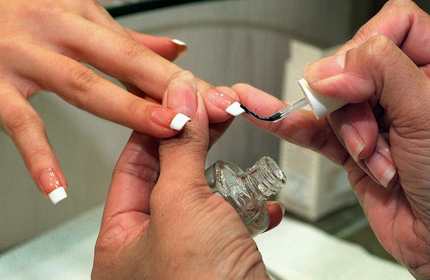
Your nails 
 
If you love sexy talons or smart and primly polished nails you may need to do a DIY job to save money.

Salons charge lots of money for a relatively simple accessory and with some practise you can get the look you want for less.

If you want a professional look buy a book that gives you a step-by-step guide to nail art.


Eating out
 
It can be so easy to nip out to your favourite restaurant or call up your local take out and relax whilst others do the hard work.

Remember though that eating out costs a small fortune and can easily hike up your bills.

To save, prepare a batch of meals you love eating on your day off and freeze them.

Then when you’re hungry just pop one of your healthier meals in the oven for fast and cheap dining.
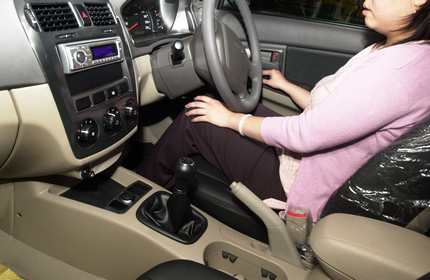
Your car
 
First comes the insurance, then comes the tax, then comes the fuel and on top of all that comes the garage costs; put simply, cars are ridiculously expensive.

Most people can’t imagine living without a car because they have become such a big part of most of our lives, but could you do without one?

If you use your car to commute check some lift-sharing websites, or if you use your car to socialise could you ride your bike or get a bus instead?

Although it’s a big change, ditching your car could save you thousands every year.

Coffee
 
Getting the odd pick-me-up coffee or tea from cafes is a great way to treat yourself and make your day a little brighter, but it should be kept as just that: a treat.

Buying drinks or snacks from coffee shops can become an expensive habit and it’s one that doesn’t give you many benefits.

If you miss your coffee that much, buy a decent instant coffee and make a flask up at home.

If you go to coffee shops for somewhere to sit or socialise find a new spot in the park.

Drinking

Without realising it, drinking can easily become a part of all of our lives.

We pick up a bottle of red on the way home or go for one or two cocktails after work; but remember it adds up.

Research recently found that the average American household spends $435 on alcohol per year – imagine what you could buy instead with that cash?

Facials
 
Everyone loves that polished and fresh feeling you get from indulging in a little facial.

But these beauty treatments cost big bucks and if you’re looking to save a little money it’s time you considered other alternatives.

Even if you’re not very practical you can make an inexpensive and highly effective facemask yourself. Some great mixes include manuka honey and aspirin or a simple natural yoghurt mask.

Going to the theatre
 
If you love going to the theatre then you’ll love deal websites that regularly offer discounted tickets.

Search for the best site by reading reviews and get yourself a deal.

Alternatively sign-up to ticket alerts and you should be told when tickets are on sale so you can get the best price before anyone else.

Haircuts
 
Want glossy locks but can’t afford the salon prices?

No worries, we’ll let you into a little-known secret: a grad student may be the answer.

When hairdressers are in their final years of college they need to practise on real models.

Although they can be a little nervous and it can take longer than normal, student hairdressers are excellent because they get graded on their cuts and they want to impress.

Plus the charges are minimal and will often be less than your cab fare home.

Happy days.
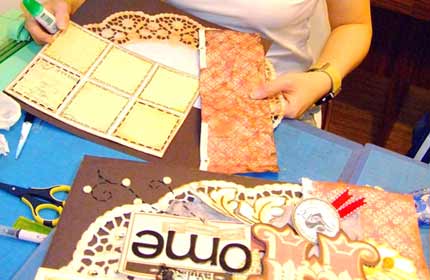
Starting a new hobby
 
Everyone enjoys the odd hobby, but starting a new one is expensive.

You need to buy the right tools, or the right kit or a new helmet.

Before you invest in the equipment make sure you really want to pursue this interest.

Then, once you’ve tried and tested the hobby for at least a month, shop around for the gear you need.

Ask other people in your area where you can get the best deals or if they are selling anything they no longer use.

You can also search for second hand items in shops or online.

We all know cash is hard to come buy, so it's important that we have enough to pay our bills, yet be able splurge a little to pamper ourselves.

In this consumer age, there are so many products and services begging for us to purchase them that we usually do, without thinking about whether we really need them.

And when we do purchase them, we may be paying more than we actually need to.


Monday, February 20, 2012

Trimming the fat with the ultimate money diet

We all like to tell ourselves that this year will be different, that we will lose weight, save money, take up a new hobby or quit smoking.

We start the year with such good intentions but can sometimes set ourselves goals that we find hard to keep!

Don't overload yourself with a huge list of goals for the year to start tackling straight away, take things one step at a time.

Pick one goal to begin with and stick to it. Top goals for many people include losing weight and saving more money.

So let's delve into the ultimate diet - the money diet - and get your bank balance in shape and fighting fit!

Counting the financial calories

Taking charge of your financial future isn't rocket science.

You just need to be smart, organised and disciplined. You know when you want to lose weight you count the calories and compare them to the recommended daily allowance? Well the same goes for your money.

Sit down and calculate your income each month and what your outgoings are.

Be honest with yourself and include everything - from the big payments such as your rent or mortgage, to that coffee you buy on the way to work every morning.

Now you are ready to start trimming down the outgoings.

Like a healthy body needs a good diet of vitamins and minerals, a good quality of life also needs some basics like a roof over your head, electricity, food and the means to get to work each day. These bills are both regular and essential, so make sure they are the first thing to go into your brand new budget.

To keep in check with these important bills, debit cards are rising in popularity, often replacing payment by cash or check.

A debit card is unlike a credit card because it's tied directly to your bank account. When you make a payment with a debit card, it withdraws money directly from your bank account without you having to worry about paying it back later.

You can also check with your bank or biller to check if they allow you to link your bills or loans payments directly to your debit card account so your bills are paid automatically before the due date.

That way you don't have to worry about late fees and you have more time to complete the other tasks on your to-do list.

Working out your new diet 

So you have your essential bills included in your new money diet, but are you still finding it hard to sort the essentials from the luxuries? Here are some tips:

Wholesome food Vs Junk food: Question what you need and want you want. Make two lists - one for needs and one for wants and as you are making the list ask yourself:

1. Why do I want it?
2. How would things be different if I had it?
3. What other things would change I had it? (for better or worse)
4. Which things are truly important to me?
5. Does this match my values?

Set guidelines: We all have different budgets based on our needs and wants. You may need to make adjustments for that daily latte fix.

What's your recommended daily calorie allowance: Add up your income. To set a monthly budget, you need to know what's coming in.

Make sure you include all sources of income such as salaries, interest, pension and any other income sources.

Financial calorie intake: Estimate your expenses. The best way to do this is keep track of how much you spend each month. Categorize spending depending on your needs and wants.

Are you overeating? Managing your personal expenses is like identifying the difference between your recommended daily allowance and your actual calorie intake.

Once you've created your budget, keep records of your actual income and expenses. This keeps you on top of the difference between what you budget and actually spend.

Track, Trim and Target: Once you start tracking, you may be surprised to find you spend hundreds of dollars a month on eating out or other flexible expenses. Some of these are easily trimmed but that doesn't mean you have to cut out everything you enjoy.

Cutting back is usually a better place to start than completely cutting out. Be realistic. It will help you to be better prepared for unexpected costs.

In any given week we buy and spend on many things and it's often those smaller purchases that get lost in the mix. Knowing the miscellaneous expenses may just be what you need to know so you can reign in your spending and stay within your means.

Think of that extra magazine as the sneaky biscuit making its way into your diet and messing with your calorie intake! With everything else going on in our lives keeping track of monthly expenses can be daunting.

Simplify your life by using your debit card for your daily expenses, which will allow you to track spending with your bank statement and identify how much you're spending and on what.

The SMART way to slim down 

Unfortunately our bank balances have a limit so it helps to have a goal in mind when thinking about ways to trim and cut back.

It's all about SMART financial planning: specific, measurable, attainable, relevant and timely.

Each step takes your aspirations and gives them a benchmark which is easier to attain than some lofty goal.

Specific: Be specific on what you want. Avoid just saying "I want to save money". Instead say "I want to travel to Bali."

Measurable: Give your goal a benchmark. For instance traveling to Bali will cost $2,000 and if you have $800 saved your measurable goal should be to save the additional $1,200 you need.

Attainable: Make your goal realistic. Saying you want to travel in Indonesia for 6 months staying only in 5 star hotels may not be attainable if you only have $800 to spend. Instead think what is within your means, for example, "I am going to save each month so I can visit Bali for 3 days and stay in a 3 star hotel.

Relevant: The goals have to make sense to you. It's not practical to work toward a goal that doesn't fit your need. For example, if you are going to Bali for your wedding anniversary, you may not want to be staying in hostels and want to save for something a bit special.

Timely: Set a definite target date. Set a date for your trip and work towards it. To stick to your new financial diet, remember to keep your budget planner and goals in mind every time you spend.

Remember, there is nothing wrong with treating yourself every now and again, but if you overindulge too often you can find yourself gaining some unwanted financial worries!

So stay smart, budget, and spend within your means to keep your bank balance nice and healthy. Your wallet will thank you for it!

Saturday, December 24, 2011

5 money lies that make us overspend

How many times have you wondered where that $50 in your wallet went, or why your wallet feels incredibly lighter, or why the numbers in your bank account are getting lower and lower.

Start thinking back to the last purchases that you've made, and you would probably say that you didn't really spend much at all. Or that you spent "smartly".

Sometimes, these "smart" ways of spending are actually what's causing you to lose money.

According to the website mintlife, we sometimes tell ourselves "money lies", or what it says are not too accurate statements to justify unnecessary purchases that lead to unneeded spending.

Find out what these top money lies are, according to the financial website, and how to fight back.


#1 "If I don't buy it now, I might miss out"

We usually say this when we see ads or banners screaming out "Last three days of sale" or "Sale! This weekend only!"

Who wouldn't be tempted, especially when they're coupled with statements like "Discount of up to 70 per cent off!"

A consumer adviser, Andrea Woroch, told the site that deals like this 'create a sense of urgency' among consumers who feel that if they don't grab the opportunity, they 'could miss out on the value later down the road'. That's why they end up buying items even when they don't particularly need them.

FIGHT BACK: Remind yourself that you don't need these items, and that sales like these happen all the time.


#2 "I need it"
 
Scenario: You see a cute top in the mall, or a high-end camera with better specs than the one you're using. In your head, you're thinking - I need that! I need that to keep up my appearance at work, or I need that to take better photos of my growing toddler. But do you really?

Dr. James Roberts, author of "Shiny Objects: Why We Spend Money We Don't Have in Search of Happiness We Can't Buy, tells mintlife: "Pretty much everything we buy is a discretionary purchase, not something we need."

FIGHT BACK: Dr Roberts' advice: Remember that the only things we truly need are food, shelter, and clothing. Remember though that this doesn't give you licence to splurge on lobster and truffles, an exorbitantly expensive property, or that Gucci frock that you swear had your name written on it when you saw it through the window.

Beyond the basics, spend only what you can truly afford. Make sure that you have the means to pay before splurging beyond what you really need.


#3 "I can always return it"

When shopping at a place with return policies, it's easy to think that if you change your mind after you purchase an item, you can always return it.

However, remember that not all stores have return policies, and those that do can be quite strict about the conditions of return, or will only give you in-store credit, or an exchange for items of the same price or less. Bottomline: You might not get your money back.

FIGHT BACK: Apart from buying only the items you need, if you really must return something, make sure you remember when you'll have to return it by, advises the website.


#4 "I should buy it since it's for charity"

A growing number of companies are saying that a portion of the proceeds from certain items will go to charity. And for most, this could easily be the tipping point to decide whether to buy an item or not.

FIGHT BACK: If you really don't need an item and you feel it's not worth it despite the charity tag, remember that you can always donate to the charity on your own whether you buy the item or not.


#5 "It's worth it for the freebies"

You're in the supermarket and you find out that you're about four dollars away from the minimum purchase needed to get a coupon that will go towards that pastry dish you've been eyeing. You then hurriedly try to see what you can buy to top up the amount to qualify for the coupon.

Sounds familiar? A lot of times, these impulse purchases can be completely unnecessary, or in the case of the extra bag of chocolates that you add to your shopping bag to meet the purchase amount, bad for your hips.

Or think about those times when you've seen items bundled together and proclaim it's discounted by a certain amount. You might only need one or two of the items in the bundle, but because you see the discount, you feel like you're getting a better deal.

FIGHT BACK: According to mintlife, you should not let the freebie sway your decision, particularly if you would not have paid good money for it on its own. Think about how much you would have paid for the items in the bundle that you would really use, and if it's worth more than the price of the bundle - don't buy it.

Related Posts Plugin for WordPress, Blogger...