SINGAPORE: A German study has warned that tapioca pearls found in bubble tea may contain cancer-causing chemicals.
However, authorities said recent checks on pearls in Singapore showed they are safe for consumption.
The study claims the sweet, chewy pearls contain toxic chemicals known as polychlorinated biphenyls (PCB).
Chong
Kok-Yoong, food scientist at TUV SUD PSB, said: "They are used... to
make plastic, floor polish, as well as ballast for florescent lights.
Specifically, they can cause cancer and certain immune system
malfunction(s), or cause our hormonal system to go haywire."
It is not the first time bubble tea has come under fire for food safety.
Just
last year, Singapore suspended a Taiwanese brand of fruit juice
concentrates used in bubble tea, for containing the industrial chemical
DEHP.
But this time, the Agri-Food and Veterinary Authority said
the level of PCBs detected in its recent tests on tapioca pearls here
are "well within international food safety limits".
AVA said products that fail its safety standards are not allowed for sale in the market.
For some local chains, business has not been affected.
Chua
Keem Long, CEO of Each-A-Cup, said: "AVA called me up and asked me for
pearls for testing. I brought them down myself and it's been five or six
weeks already. Nothing happened so I think it should be fine."
Most consumers Channel NewsAsia spoke with said they have not heard of the latest food safety concerns.
"I would continue drinking it because I'm not afraid of this giving me cancer... it's just milk," said one student.
"Honestly, I don't think it'll affect me because everyone dies anyway, so why not enjoy while you can," said another.
Experts said Singapore has a stringent food monitoring system, but there can be loopholes.
Mr
Chong said: "There're just so many of these foods imported, I think we
as consumers, besides relying on the authorities to do all the checks,
should exercise some caution."
Showing posts with label health tips. Show all posts
Sunday, October 14, 2012
Wednesday, September 5, 2012
Organic food no more nutritious than non-organic: Study
Organic produce and meat typically isn't any better for you than
conventional food when it comes to vitamin and nutrient content,
although it does generally reduce exposure to pesticides and
antibiotic-resistant bacteria, according to a US study.
"People choose to buy organic foods for many different reasons. One of them is perceived health benefits," said Crystal Smith-Spangler, who led a team of researchers from Stanford University and the Veterans Affairs Palo Alto Health Care.
"Our patients, our families ask about, 'Well, are there health reasons to choose organic food in terms of nutritional content or human health outcomes?'"
She and her colleagues reviewed more than 200 studies that compared either the health of people who ate organic or conventional foods or, more commonly, nutrient and contaminant levels in the foods themselves.
The foods included organic and non-organic fruits, vegetables, grains, meat, poultry eggs and milk.
According to US Department of Agriculture standards, organic farms have to avoid the use of synthetic pesticides and fertilizers, hormones and antibiotics. Organic livestock must also have access to pastures during grazing season.
Many of the studies used, though, didn't specify their standards for what constituted "organic" food, which can cost as much as twice what conventional food costs, the researchers wrote in the Annals of Internal Medicine.
Anecdotal evidence
Smith-Spangler and her colleagues found there was no difference in the amount of vitamins in plant or animal products produced organically and conventionally - and the only nutrient difference was slightly more phosphorous in the organic products.
Organic milk and chicken may also contain more omega-3 fatty acids, but that was based on only a few studies.
More than one third of conventional produce had detectable pesticide residues, compared with 7 per cent of organic produce samples.
Organic pork and chicken were 33 per cent less likely to carry bacteria resistant to three or more antibiotics than conventionally produced meat.
Smith-Spangler told Reuters Health it was uncommon for either organic or conventional foods to exceed the allowable limits for pesticides, so it was not clear whether a difference in residues would have an effect on health.
But others said more research is needed to fully explore the potential health and safety differences between organic and conventional foods, and it was premature to say organic foods aren't any healthier than non-organic versions.
"Right now I think it's all based on anecdotal evidence,"said Chensheng Lu, who studies environmental health and exposure at the Harvard School of Public Health.
Thursday, August 30, 2012
Work, mahjong and tea: Hong Kong's secrets to longevity
HONG KONG: Covered
in smog and cramped apartment towers, Hong Kong is not usually
associated with a healthy lifestyle. But new figures show that Hong
Kongers are the longest-living people in the world.
Hong Kong men have held the title for more than a decade and recent data show female Hong Kongers are overtaking their Japanese counterparts for the first time, according to the governments in Tokyo and Hong Kong.
Hong Kong women's life expectancy rose from an average 86 years in 2010 to 86.7 years in 2011, while Japanese women's longevity was hit by last year's earthquake and tsunami, falling to 85.9 years, census figures reveal.
So what is Hong Kong's secret to a long life?
Experts say there is no single elixir, but contributing factors include easy access to modern health care, keeping busy, traditional Cantonese cuisine and even the centuries-old Chinese tile game of mahjong.
Rolling stones gather no moss
"I love travelling, I like to see new things and I meet my friends for 'yum cha' every day," Mak Yin, an 80-year-old grandmother of six says as she practises the slow-motion martial art of tai chi in a park on a Sunday morning.
"Yum cha" is the Cantonese term to describe the tradition of drinking tea with bite-sized delicacies known as dim sum. The tea is free and served non-stop, delivering a healthy dose of antioxidants with the meal.
"My friends are in their 60s -- they think I'm around their age too, although I'm much older than them," Mak laughs.
Mak's favourite food is steamed vegetables, rice and fruit. Cantonese food is famous for steamed fish and vegetables -- dishes that use little or none of the cooking oils blamed for heart disease, obesity and high cholesterol.
But before Mak enjoys her afternoon tea, she joins a group of elderly people for her morning exercise of tai chi, an ancient Chinese practice said to have benefits including improving balance and boosting cardiovascular strength.
A study published in the New England Journal of Medicine in February found that tai chi reduces falls and "appears to reduce balance impairments" in people with mild-to-moderate Parkinson's disease.
Another factor behind Hong Kongers' longevity, experts say, is work. While others long for the day they can retire and kick up their heels, many people in Hong Kong work well into their 70s and even 80s.
Hong Kong does not have a statutory retirement age and it is common to see elderly people working in shops, markets and restaurants alongside younger staff.
"Many old people in our city remain working, that contributes to better psychological and mental health," Hong Kong Association of Gerontology president Edward Leung says.
"For older people, a lot of them are stressed because they have nothing to do and they develop 'emptiness syndrome'. This causes mental stress."
Fishmonger Lee Woo-hing, 67, says he could not bear to sit at home and do nothing. His inspiration is local tycoon Li Ka-shing, Asia's richest man, who still runs his vast business empire in his 80s.
"If Li Ka-shing continues working at the age of 84, why should I retire?" asks the father-of-four during a break from his 14-hour shift at a bustling market in central Hong Kong.
"If I just sit at home and stare at the walls, I'm worried that my brain will degenerate faster. I'm happy to chat with different people here in the market."
'Mahjong delays dementia'
Hong Kong's cramped living conditions are famously unhealthy, fuelling outbreaks of disease and viruses including bird flu and severe acute respiratory syndrome (SARS) which have killed dozens of people.
The city's reputation won it the dubious distinction of a starring role in director Steven Soderbergh's 2011 disaster thriller "Contagion", about a deadly virus that spreads from Hong Kong to the United States.
But in the day-to-day habits of ordinary people, experts say Hong Kong is a great place to grow old.
A popular local way of keeping busy and meeting friends is mahjong -- a mentally stimulating tile game which can help delay dementia, according to aging expert Alfred Chan, of Hong Kong's Lingnan University.
"It stimulates the parts that control memory and cognitive abilities. It helps old people with their retention of memory," he says.
The complex rules and calculation of scores make mahjong, also known as the Chinese version of dominoes, mentally demanding. But the social aspects of the four-player game are just as important.
"In mahjong you need to play with three other people. It is a very good social activity, you have to interact with each other constantly," says Chan, who has studied the game's effects on the well being of elderly people.
"It is also a self-fulfilling game because if you win -- whether you play with money or not -- it gives you a sense of empowerment."
Mahjong parlours are popular in Hong Kong, and mahjong tables are a must at Chinese wedding banquets.
"I'm in semi-retirement. I work in the morning and hang out with my friends by playing mahjong in the afternoon," says 67-year-old tailor Yeung Fook, on the sidelines of a game in his modest garment shop.
"I'm happier when I work. It's boring to just sit at home."
Wednesday, August 29, 2012
10 ways to wake up looking gorgeous
How to look great when you wake up
We're sick of venturing downstairs every morning with our pyjamas in a tangle, bed hair, under-eye bags and a pasty face, so we decided to do something about it. Want to know how to wake up looking glamorous and gorgeous? Here are 10 simple ways:
1: Don't sleep on your stomach
If you're fond of sleeping on your front, the first step to looking beautiful in the AM is to find a new preferred pose for the PM. Sleep lines are caused by sleeping positions that squash your face on one side. Did you know that the average head weighs around eight pounds? Imagine all of that weight on your face - a recipe for crinkled up morning skin.
2: Satin or silk pillows
If you really can't sleep in any other position than on your tummy, invest in some satin or silk pillow covers. Not only does this mean that you wake up feeling like a princess every morning, but these super soft materials help your skin and hair to glide along them when you move around in your sleep. Less friction and creases means less frizzy hair and skin crinkles.
3: Pile up the pillows
If you lie flat during your slumber, fluids can pool around your eyes and make them appear puffy in the morning. By keeping your head elevated during the night, the fluids don't have chance to gather and you wake up looking bright eyed and beautiful.
4: Get your glow on
Say goodbye to the pasty morning face and hello to sun-kissed skin. Before your bed time routine, exfoliate your skin, moisturise, apply some false tan and then wait a few hours. Right before bed, wash it off and go to bed fresh as a daisy. You'll wake up with a sun-kissed glow.
5: Wear your hair in a bun
We love voluminous hair in the morning, but that doesn't mean we love it to look like we've been dragged through a hedge backwards. The controlled voluminous look is where it's at! Pile your hair in a high bun on top of your head to add some controlled volume. This way, your hair won't get in the way while you're in the land of nod and when you wake up it looks big and sexy. Va-va-voom!
6: Mineral powders
We don't recommend wearing makeup to bed, but there are some natural mineral powders out there that can cover up imperfections without clogging your pores. Make sure you get a natural mineral makeup and apply with a clean brush before you go to bed.
7: Moisturise before bed
Who wants to wake up with dry flaky skin? Not us! Apply a nourishing moisturiser on your face and neck before bed to wake up with plump, revitalised skin. You can apply a moisturiser to your feet too and you'll feel even more beautiful in your waking hours.
8: Go to bed at a decent time
The phrase "beauty sleep" is actually grounded in truth. Indeed, those who get their recommended eight hours of sleep per night have smoother, clearer skin. If you are sleep deprived, there's a good chance you'll look pale, worn-out, and have bags under your eyes. Go to bed at a decent time so you can fill the recommended quota of eight hours per night.
9: Wash your face
Sorry girls, panda eyes aren't the key to waking up looking gorgeous. Don't make the mistake of thinking that sleeping in your makeup means that you'll look gorgeous when you wake up. The chances are, no matter how smudge-proof, waterproof or long-lasting that mascara is, it will be a mess by the time you've tossed and turned in it all night. Cleanse away any dirt and oils that are sitting on top of your skin before bed and you'll wake up feeling clean and beautiful.
10: Butter up
Slather on some body butter before you drift off into dreamland to wake up feeling smooth and smelling good. Pay particular attention to dry areas such as elbows and knees. For super smooth legs, make sure you've gone through your usual hair removal routine before you go to bed so you can be proud to strut around looking gorgeous in the morning.
Thursday, August 16, 2012
10 health tips for lazy people
Improve your health with minimal effort
Make the shift into exercise and healthy living by checking out our top 10 health tips for lazy people.Getting fit and healthy can sometimes feel like a major effort, but there are many health-boosting changes you can make that won't feel like such a chore:
1. Build exercise into your routine
Many of us think we need to spend hours working up a sweat at the gym to stay fit.
However, while intense workouts are beneficial, they can also be extremely off-putting and are not strictly necessary.
Research shows that regular daily activity could be more effective than sporadic workouts, so rather than allotting a specific exercise time a day, try peppering your day with easy 'workouts' such as taking the stairs instead of the lift, doing the housework, or walking to the shops at lunch.
2. Make your own ready meals
We all know that eating fresh, homemade produce is good for us, yet many of us are far too tired to be whipping up a culinary masterpiece after a hard day's work.
However, rather than falling into the trap of relying on shop bought ready meals which may be lacking in nutritional value, try this diet tip and make your own healthy version meals instead.
By cooking up healthy meals in large batches at the weekend, you can be sure to have plenty of healthy choices in your freezer for those days when you're too lazy to cook.
3. Get a pet to improve your health
If you want big health results without making a big effort, getting a pet could be the way to go.
Multiple research studies have shown that pet owners have improved physical and mental health, including lowered blood pressure, better ability to cope with adverse life effects, and lowered stress levels.
For those who need encouragement to up their fitness levels, getting a pet dog may also provide you with that push you need to get out and get active.
4. Exercise while watching TV
Vegging out in front of the TV can be the quickest way to pile on the pounds.
However, couch potatoes needn't despair; there are plenty of ways to keep healthy and active in front of the screen.
To boost your fitness while watching TV, try squeezing a mini-workout into each commercial break.
From situps to skipping or a quick run up and down stairs, there are plenty of ways to introduce activity into your TV-watching schedule.
The golden rule is simply to keep moving, with research suggesting that even fidgeting while sitting can burn up to 350 extra calories a day.
5. Improve your mental health with a crossword puzzle
If you really can't find the energy to put yourself through a workout, take the opportunity instead to work on another area of your body - your brain.
Boosting your mental health is just as important as improving your physical wellbeing, and luckily this can be done from the comfort of your couch.
Research has found that frequent participation in mentally stimulating activities can reduce your risk of Alzheimer's disease, so rather than switching on the TV when you get in from work, give your brain a challenge and reach for a crossword, Sudoku puzzle or book instead.
6. Have leisurely meals
If there's one instance where being lazy is an advantage, it's when eating your meals.
Taking long, leisurely meals - as opposed to eating on the run or multi-tasking - is a great way to look after your digestive system and also help you lose weight.
By eating more slowly and focusing on your food, you will enjoy and savour it more and cut the risk of overeating.
Also, as it takes 20 minutes for your body to register the feeling of being full, by eating more slowly you will feel full after less.
7. Order a fruit and veg box
If compiling your own healthy shopping lists feels too much like hard work, save time and energy by letting someone else do the work.
Many farms and health food stores now deliver seasonal fruit and veg to local areas on a weekly basis, making it easy to try varied healthy produce without stepping foot out your door.
Alternatively, for those who want more and have pennies to spare, several companies now offer the option of having prepared healthy meals delivered direct to your home.
8. Hit the dance floor
While the idea of a workout fills many with dread, there are plenty of ways to stay fit without it feeling like hard work.
If you struggle to get motivated for an organised exercise session, try turning a night out into a workout instead.
Hitting the floor for a dance is a great way to get fit, burn calories and tone and strengthen the body.
More importantly, unlike with the gym, it provides a fun workout that won't feel like exercise.
9. Supplement your diet
Keep falling off the healthy eating wagon? Try complementing your diet with a good quality nutritional supplement or 'superfood'.
While it's no substitute for a healthy eating regime, on those days when your good intentions slip by the wayside a good supplement should help tide you over.
Try a multi-vitamin complex or a natural "superfood" - such as spirulina, wheatgrass or bee pollen - which is packed with nutrients to help keep your health on track.
10. Get lots of sleep
While laziness is generally considered to be detrimental to your health, when it comes to sleeping it can actually pay off.
Research has found that sleep can help you live longer, boost your memory and reduce stress, while getting less than five hours a night can lead to accidents, weight gain, and increased risk of heart disease.
While it's possible to have too much of a good thing, getting a regular eight hour's sleep is a cheap and simple way to boost your health.
Thursday, August 9, 2012
10 ways your job is bad for your health
When Monday morning roles around and we stumble out of our comfy beds,
we all have that sneaking suspicion that somehow this isn’t good for us.
It turns out that our suspicions are right; your job is bad for your health and in this article we tell you why those long hours, boring days and stressful tasks are bad for us.
The emails
When emails became a part of our working lives we all celebrated. No more letter writing, no more communication problems and no more dodgy half-readable faxes. However, researchers have found that the birth of emails was not as good as we first thought.
They found that people who check their work email regularly are in fact more stressed and less focused than those colleagues who have no access to their work email.
Death by office chair
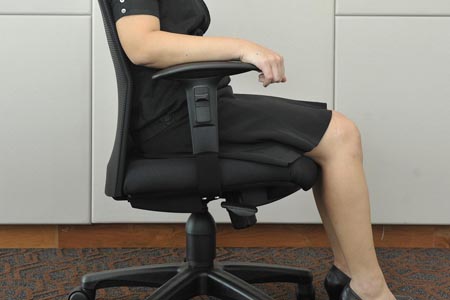
Although we can’t all do yoga or bop around to the latest dance craze whilst typing up our paper work, sitting down at your desk could be killing you.
Studies have found that those adults who sat down in a chair for 11 hours each day had a 40 per cent increased risk of dying than other workers who only sat down for an average of four hours every day.
Boredom makes you sick
If the very thought of work makes you want to yawn then pay attention: boredom can make you sick. The University of Lancashire found that workers who were continuously bored turned to coffee, smoking, alcohol and chocolate in an effort to try and perk themselves up.
As well as picking up bad habits, other researchers found that workers who complained of chronic boredom were two and half times more likely to die before the expected age due to either a heart attack or a stroke.
To work or not to work?
Although very few people would choose unemployment over paid work, it would seem that our mental health may benefit from not working opposed to working in a job we hate.
The Australian National University discovered that people who felt like they had no control at work, or had low pay or little recognition for their efforts had poorer mental health than the participants who were unemployed but who later moved into a better job.
Out of office?
We all do it. We clock off, leave the office, fight our way through the thousand other commuters and once safely inside our front doors, BING – a new work email.
The distinction between office hours and downtime has never been so blurred and this is having a negative effect on our health. Studies have found that those workers who check their emails at home after work have higher levels of stress and poorer concentration.
Longer hours make you smoke
Did you know that, on average, Americans work 1,778 hours in total? Wherever you are in the world it is likely that you are facing an increase in the amount of time you spend at the office.
Yet, these increased hours are having a major impact on our health and studies have found that these longer hours can lead to you smoking more, exercising less and seeing the doctor less frequently.
Night owl shifts
We all know a shift worker and we all know that they have very odd sleep patterns. Although their night-owl ways seem harmless enough it would seem that this unnatural sleep cycle is causing shift workers serious problems.
People who work shifts are more likely to have type 2 diabetes, heart disease and cancer, and women who work shifts are more likely to develop breast cancer than those women who snooze their way through the nights.
The promotion
Lets crack open the champagne and blow up those balloons – a promotion is surely a reason to celebrate? Well, according to studies your promotion may not be quite as good as you originally thought.
Although a heavier pay packet may have its perks, the stress and extra hours associated with climbing the career ladder can lead to a decrease in workers’ mental health by around 10 per cent.
Desk jobs give you wrinkles
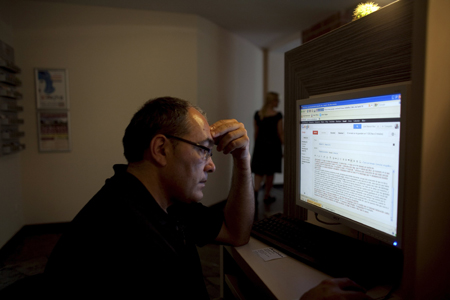
Many of us get that 3pm slump, but if you have a desk job do you ever actually slump down onto your desk? If propping your head up on your hands sounds all too familiar, be aware that touching your face constantly in this way can lead to dry skin and premature ageing.
Work on your core muscles and your back to build the strength that should help you resist leaning on your hands at work.
Anxiety
It’s a sad and shocking fact but out of every nine workers in your workplace will develop some sort of anxiety disorder within their lifetime.
A study in New Zealand found that one in seven women and one in 10 men who had high levels of pressure at work had difficulty with their mental health and half of the participants had some sort of anxiety disorder as a result of work.
Nursing home/child-care workers
According to health.com, nearly 11 per cent of those people working in this field report a bout of major depression.
Food service staff
A combination of low pay and exhausting jobs make this the no. 2 career that can cause depression.
Social workers
Dealing with every imaginable crisis can make this a very demanding, stressful job.
Health care workers
Doctors, nurses, therapists are included in this group of people whose jobs entail erratic, long hours where lives are literally in their hands.
Artists, entertainers, and writers
The combination of irregular paychecks, uncertain hours, isolation, combined with their lifestyle may contribute to their depression. According to the website, creative people may also have higher rates of mood disorders.
Teachers
Teachers get all sorts of demands from all sorts of people - from their students, parents to the schools themselves, plus they take home their work most of the time.
Administrative support staff
Unpredictable days plus taking orders from all directions while they hold very little control may be the cause for depression for people who hold these jobs.
Maintenance and grounds workers
Frequent night shifts, irregular hours, and being called on when something goes wrong to clean up other people's messes make this a tough job.
Financial advisors and accountants
Being responsible for handling other people's money and bearing the guilt if their clients start losing money can make them depressed.
Salespeople
Long hours, coupled with uncertainty of income due to working for commissions may cause depression.
Sunday, July 29, 2012
Study shows brown rice curbs craving for fatty food
An experiment with mice has revealed that brown rice reduces the
desire for high-fat foods, a finding that could help prevent obesity and
diabetes in humans, according to researchers.
The group, led by Prof. Hiroyuki Masuzaki of Ryukyu University, published the study in an academic journal of the American Diabetes Association.
Humans and other mammals tend to prefer fatty foods as they help stave off hunger.
The group gave mice a choice between diets of fatty food and normal food: a high-fat diet consisting of 45 per cent lipids, 35 per cent carbohydrates and 20 per cent proteins, and the other 10 per cent lipids, 70 per cent carbohydrates and 20 per cent protein. The mice chose the high-fat food every time and eventually became obese.
However, after the researchers replaced half of each diet's source of carbohydrates--corn starch and other substances--with brown rice, the mice opted for the normal food and as a result cut half their increased weight. When the team mixed white rice with the food instead of brown rice, the same phenomenon was not seen.
When the team extracted gamma oryzanol from the brown rice bran and gave it to the mice, they also chose the normal food, showing that the substance helped increase the mice's distaste of fatty food.
After mice ate the fatty food, stress was produced in the brain's hypothalamus, which controls appetite, and they craved more fatty food. The study revealed that eating brown rice was effective in controlling the stress.
As brown rice also inhibits the absorption of fat in the bowels, the concentration of sugar and neutral fat in the blood decreased.
The team plans to conduct experiments this autumn to confirm the effect, by having about 50 people take supplements of gamma-oryzanol, a major component of brown rice.
"Brown rice is a safe food and people have been eating it for ages. We'd like to develop nutritional supplements to prevent obesity and diabetes," Masuzaki said.
Subscribe to:
Posts (Atom)